Address
304 North Cardinal St.
Dorchester Center, MA 02124
Work Hours
Monday to Friday: 7AM - 7PM
Weekend: 10AM - 5PM

Address
304 North Cardinal St.
Dorchester Center, MA 02124
Work Hours
Monday to Friday: 7AM - 7PM
Weekend: 10AM - 5PM

Aluminum die casting · mold engineering · CNC machining
Aluminum die casting projects at HIQ Precision begin with one drawing and develop into a repeatable production plan. Moreover, our team connects mold design, precision CNC machining, finishing and inspection, so your engineering intent stays visible from first quote to serial delivery.
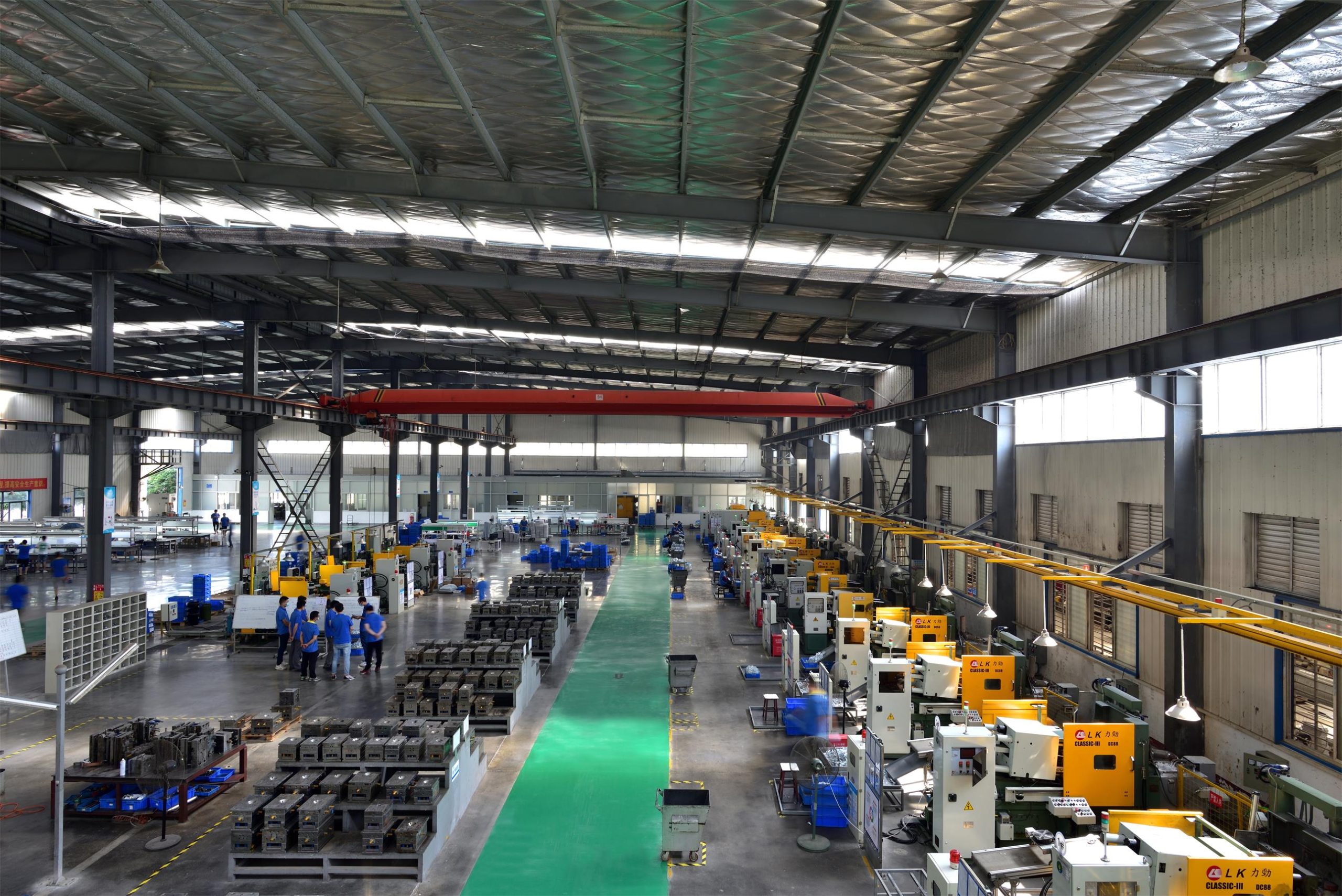
 Part geometry · DFM review
Capabilities
Because each production decision affects the next operation, our team reviews part geometry, tooling, casting, machining, finish and inspection as one system. Consequently, this connected review creates a clearer quotation and a more predictable production path.

Before the die is cut, we develop mold layout, feed and venting strategy, cooling, ejection and first-article planning around the part and volume.
Explore tooling →
After engineering review and sample approval, production moves to controlled high-pressure die casting with parameters matched to the approved part.
Review die casting →
For tight features and finishes, turning, milling, boring, grinding and wire EDM support stable fixtures and repeatable operations.
View CNC machining →
During validation, first-article inspection, dimensional checks and documented quality controls verify the complete production route.
See quality control →
Through drawing review, we identify draft, wall thickness, parting-line, machining stock and inspection questions before tooling begins.
Plan your part →
Finally, machining, surface treatment, packing and international shipment are coordinated against the approved production plan.
Plan a project →Engineering decisions
An aluminum die casting quote becomes useful when its assumptions are visible. Therefore, we review the part, annual demand and downstream operation together, so the chosen tooling and process reflect the real application.
Send the files you have. The engineering team can identify missing inputs during the review.
When the drawing is incomplete, we highlight the missing decisions instead of forcing an early quote. For example, quantity, material and sealing requirements may change the recommended process.
Following the review, the project team can confirm which questions need a design change and which can be handled in tooling. Consequently, the buyer receives a clearer basis for approval.
Meet the HIQ Precision team →Confirm ejection, fill, cooling and structural requirements before committing to the die.
Balance tooling complexity, venting, maintenance and the intended production volume.
Define which surfaces remain as cast and which features require CNC finishing.
Connect critical dimensions, appearance and leak requirements to a measurable release plan.
Review prototypes, annual demand and product life with the same manufacturing route.
Protect finished parts and keep documentation, packaging and shipping requirements aligned.
Working together
Throughout the project, engineering, tooling, sampling and production decisions stay connected. As a result, questions are resolved at the stage where they can still be managed efficiently.
First, share CAD files, 2D drawings, material, quantity and target delivery. Then we review the production intent.
Next, confirm DFM points, mold design, process route, sampling method and commercial assumptions.
After that, build the mold, cast samples and inspect critical requirements against the controlled drawing.
Finally, run casting, machining, finishing, inspection, packing and delivery under the approved plan.
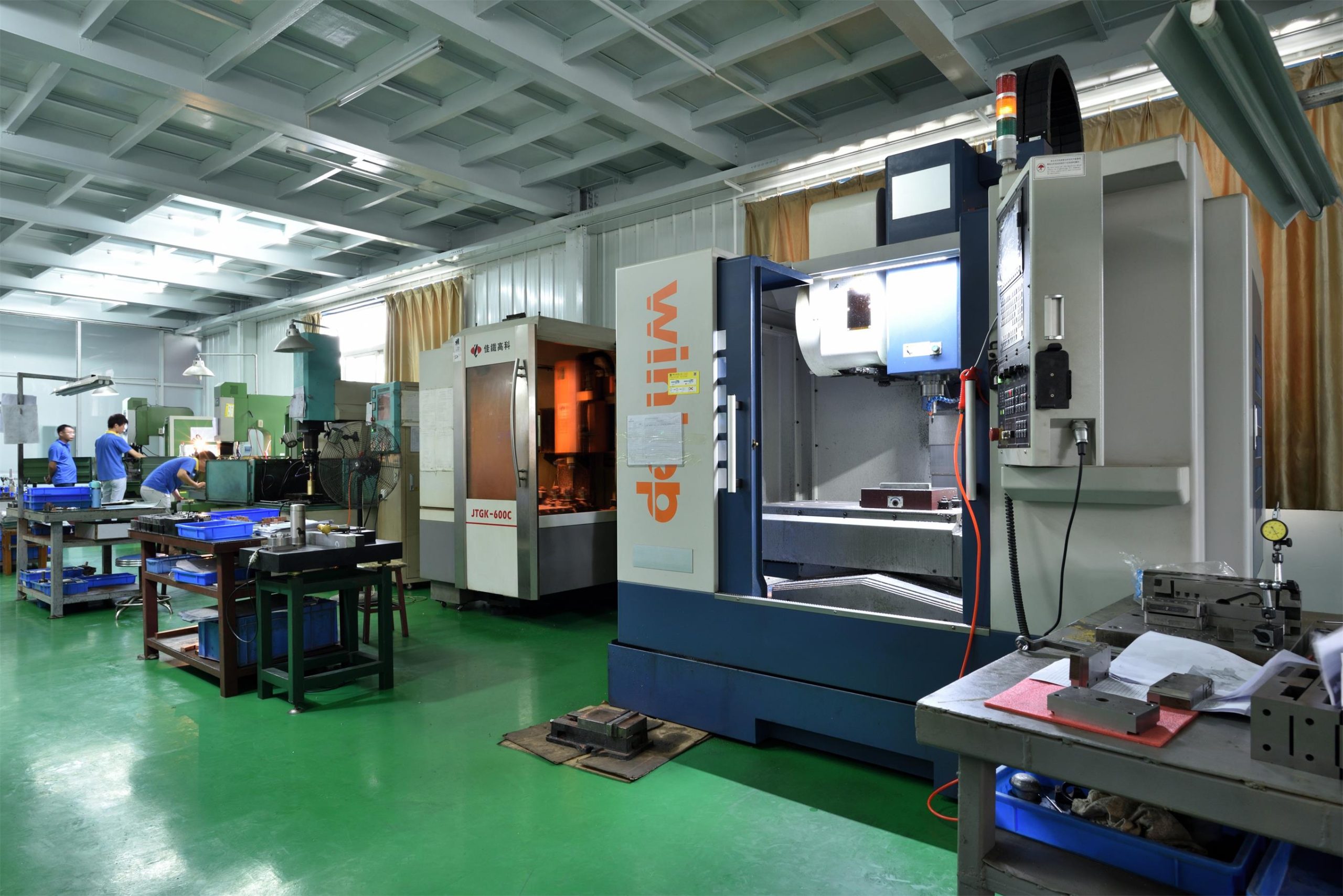
Quality control
Quality planning connects tooling, casting, machining and inspection. Before production, the approved plan defines what will be measured, how it will be verified and when production can move forward. Additionally, our process follows applicable IATF 16949 principles for production control.
Materials & finishes
Depending on the application, common die-casting alloys can deliver different combinations of strength, castability, thermal performance and surface quality. Ultimately, the final alloy and finish should follow the drawing, environment and validation plan. By comparing these requirements early, you can reduce unnecessary process changes later.
However, material selection should also reflect the actual environment. Where corrosion or electrical conductivity matters, the finish and assembly design need the same review as the alloy.
Insights
Use these guides to prepare a drawing package, evaluate aluminum die-cast components or compare sourcing routes before requesting a quotation. Practically, a clearer brief leads to a faster engineering review.
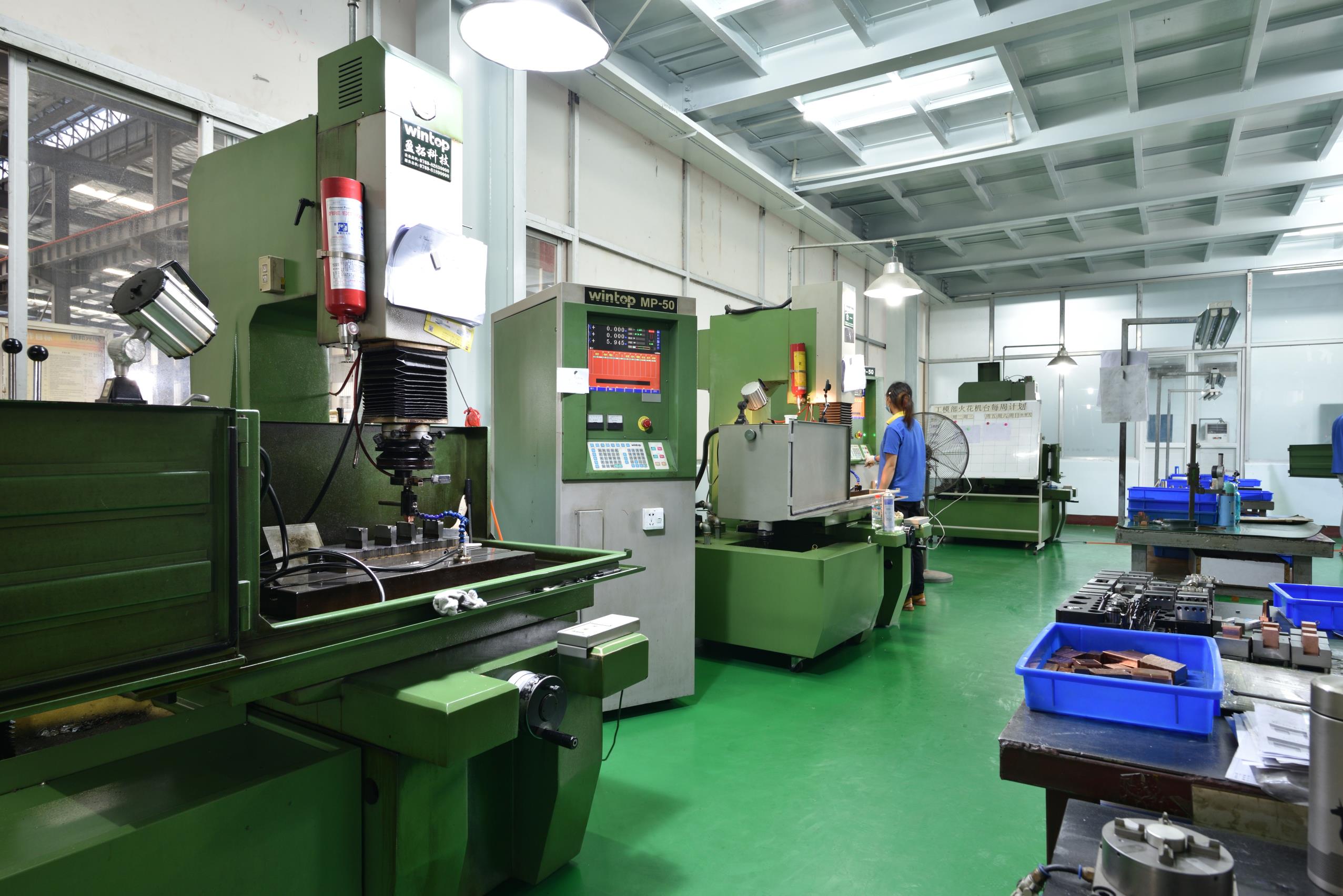

Start a project
Share the part geometry, material, quantity and delivery target. Afterward, our team will review the casting, tooling, CNC finishing and inspection requirements before quoting.
Your files remain confidential. They are used to evaluate your inquiry and prepare a response.
CAD and drawing formats · STEP · IGES · DWG · DXF · STL · PDF · ZIP
Required fields are marked with *
Buyer FAQ
Start with the files available. Missing information can be clarified during the engineering review.
A three-dimensional STEP or IGES model is preferred for geometry. One additional input is a PDF, DXF or DWG drawing when tolerances, finishes, threads, sealing surfaces or inspection requirements are critical. A ZIP file can be used for a larger drawing package.
Yes. We support tooling and first-article sampling through repeat aluminum die casting and CNC finishing. Because mold design depends on demand, include the prototype quantity and expected annual volume so the team can review both together. However, a sample that does not represent the planned process may hide a production risk. Therefore, approve the complete route whenever practical.
Yes. Mold design, die casting, CNC machining, finishing and inspection can stay under one project plan. As a result, datums, machining stock and quality requirements remain aligned. Before release, each operation follows the agreed inspection and packing requirements.
We review the drawing and production information first. If the manufacturing route is clear, we prepare a quotation. However, if key requirements are missing, the engineering team follows up before pricing the project.
Drawings are used only to evaluate and respond to your manufacturing inquiry. Moreover, they are not shared for unrelated marketing purposes. We can review an NDA request when required.
Aluminum die casting is more than a price per kilogram. Specifically, alloy choice, part geometry, die layout, machining allowance, surface finish and inspection all influence cost and repeatability. Each review compares the drawing and demand before confirming the manufacturing route.
When starting a new part, the process begins with DFM analysis and mold planning. Following tooling and first-article approval, production can move into repeat casting, precision CNC machining, finishing and delivery. However, any drawing revision should be reviewed before those production steps begin.
Working with one production team reduces the gaps between the casting supplier, machinist and quality function. We also keep requirements traceable through the process and follow recognized automotive quality principles where applicable. Beyond this overview, review the North American Die Casting Association.
Send a STEP model, a controlled PDF drawing, target quantity and delivery date through the form above. If a file cannot be uploaded, email it to project@pgpme.com. We will review the part and recommend the next manufacturing step.
Before production, confirm that the model and drawing use the same revision. If the design changes later, request an updated tooling and machining review. Although a small change may look simple, it can affect an existing mold or fixture. After approval, keep the changed revision visible in the production record.
During repeat production, keep inspection and packaging requirements with the approved process plan. Therefore, every shipment can follow the same technical and commercial baseline.